
The Rise of Metal Batten Siding: Blending Traditional Aesthetics with Modern Manufacturing
- Apr 27
- 4 min read
The architectural landscape is constantly evolving, yet there is a persistent desire to blend the timeless appeal of traditional designs with the durability of modern materials. One of the most striking examples of this trend in the metal roofing and siding industry is the resurgence of the board-and-batten aesthetic, now reimagined through precision-formed metal siding systems. This article explores the engineering, manufacturing, and architectural benefits of metal batten siding, providing insights into why it has become a preferred choice for residential, agricultural, and commercial projects.

The Evolution of Board-and-Batten
Historically, board-and-batten siding was constructed using wide wooden boards placed vertically, with narrower strips of wood—the battens—fastened over the seams. This method was primarily functional, designed to make structures more weather-tight by covering the gaps between the boards. Over time, the distinct vertical lines created by the battens became a sought-after architectural feature, synonymous with rustic and farmhouse styles.
However, traditional wood siding requires significant maintenance. It is susceptible to rot, insect damage, and warping, and it demands regular painting or staining to maintain its appearance and protective qualities. The metal roofing and siding industry recognized an opportunity to provide the beloved aesthetic of board-and-batten without the associated drawbacks, leading to the development of metal batten siding systems.
Precision Manufacturing for Architectural Depth
Modern metal batten systems are a testament to advanced rollforming technology and disciplined manufacturing processes. Unlike traditional wood, which can vary in quality and dimensions, metal batten panels are precision-formed to exact tolerances. This ensures consistent architectural depth and clean lines across the entire exterior of a building.
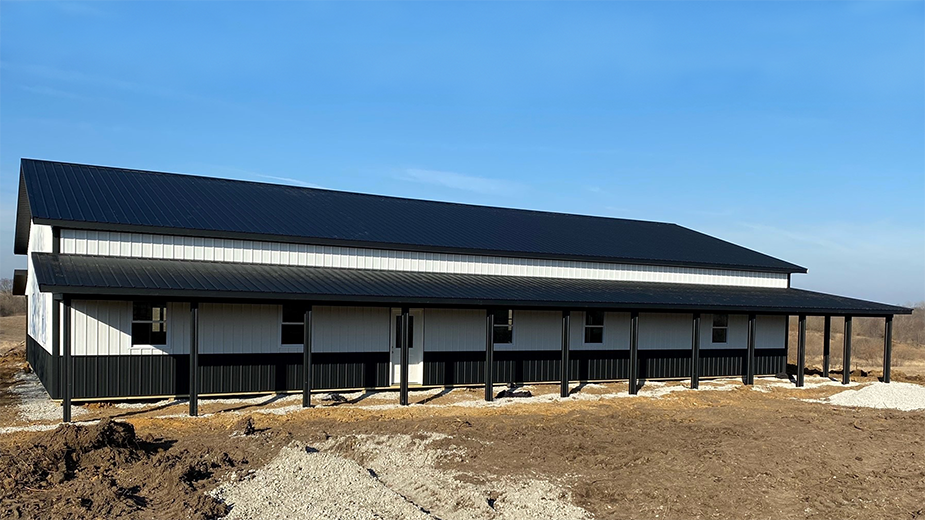
The manufacturing process typically utilizes high-grade steel, such as 29 Gauge Grade 80 steel, which provides exceptional strength and durability. The panels are cut to order, allowing for seamless integration into specific project designs. Furthermore, the availability of a wide spectrum of smooth and textured colors enables architects and builders to achieve the exact look they desire, whether it is a classic farmhouse white or a bold, modern dark hue.
Feature | Traditional Wood Board-and-Batten | Modern Metal Batten Siding |
Material | Wood (Pine, Cedar, etc.) | High-grade Steel (e.g., 29 Gauge Grade 80) |
Maintenance | High (requires regular painting/staining) | Low (durable finishes, weather-resistant) |
Durability | Susceptible to rot, insects, and warping | Highly resistant to weather, pests, and fire |
Consistency | Varies based on wood quality | Precision-formed for exact tolerances |
Installation | Labor-intensive | Streamlined with concealed fastening options |
Engineering for Performance and Longevity
Beyond aesthetics, metal batten siding is engineered for superior performance. One of the key advancements in these systems is the incorporation of concealed fastening options. By hiding the fasteners, the system not only achieves a cleaner, more refined look but also improves weather resistance by eliminating exposed penetration points where water could potentially enter.
The durability of metal siding is a significant factor in its growing popularity. Metal batten systems are designed to withstand diverse and extreme climates, from heavy snowfall to high winds. The long-term value of such systems is evident in their extended lifespan and minimal maintenance requirements, making them a cost-effective solution over the life of the building.
The Distribution Model: Ensuring Quality and Expertise
It is important to note that high-quality metal roofing and siding products, such as precision-engineered metal batten systems, are typically distributed through a specialized network. Manufacturers often operate with a B2B-focused model, supplying their products exclusively to certified partners, lumberyards, and building supply dealers.
This distribution model ensures that the products are handled and installed by professionals who understand the specific requirements of metal construction. By working through dedicated dealer networks, manufacturers can maintain strict quality control and provide comprehensive support, from takeoff assistance to jobsite delivery. Homeowners and builders interested in these advanced metal siding solutions must connect with authorized dealers to access the materials and expertise necessary for a successful project.
The metal batten siding system represents a perfect synthesis of historical design and modern engineering. By leveraging advanced manufacturing techniques and high-quality materials, the industry has created a siding solution that offers the bold architectural depth of traditional board-and-batten with the unmatched durability and low maintenance of metal. As the demand for resilient and aesthetically pleasing building materials continues to grow, metal batten siding stands out as a premier choice for modern construction.
Frequently Asked Questions
What Is Metal Batten Siding?
It is a precision-engineered steel siding system that replicates the classic vertical "board-and-batten" look. It provides the same architectural depth as wood but uses modern rollforming technology for better consistency and performance.
Is Metal Siding Hard To Maintain?
No. Unlike traditional wood, which requires frequent painting and is prone to rot, metal batten siding is low-maintenance. It is designed with durable finishes that resist extreme weather, pests, and fire.
What Are The Benefits Of Concealed Fasteners?
Concealed fastening systems create a sleek, seamless appearance by hiding the screws. More importantly, they improve the building's weather-tightness by reducing the number of exposed holes where water could leak in.
How Do I Purchase A Metal Batten System?
These systems are typically available through authorized dealer networks, including professional building supply centers and lumberyards. This ensures that you receive expert support for project takeoffs and jobsite delivery.


Comments